
"Wind stain"
300 article(s) found

Special topic on Coffee in India | Flavor characteristics and varieties of Indian style-stained Malaba
Professional coffee knowledge exchange more coffee bean information please follow the coffee workshop (Wechat official account cafe_style) [monsoon stains Malaba] India Monsooned Malabar country: southern India: Malaba coast in southern India altitude: 1100-1200 m varieties: Kents,S795,Catimor,selection 9 treatment method: wind stain sun treatment species

Introduction of Indian style-stained Malaba Coffee producing area _ Indian Coffee brewing data _ how about Indian Coffee
Professional coffee knowledge exchange more coffee bean information please follow the coffee workshop (Wechat official account cafe_style) Coffee production areas in India coffee was brought into the establishment of the first coffee farm by pilgrims as early as the 16th century, you may not imagine that India produces much more coffee than Ethiopia and any Central American country, with 900000 hectares of land growing coffee beans
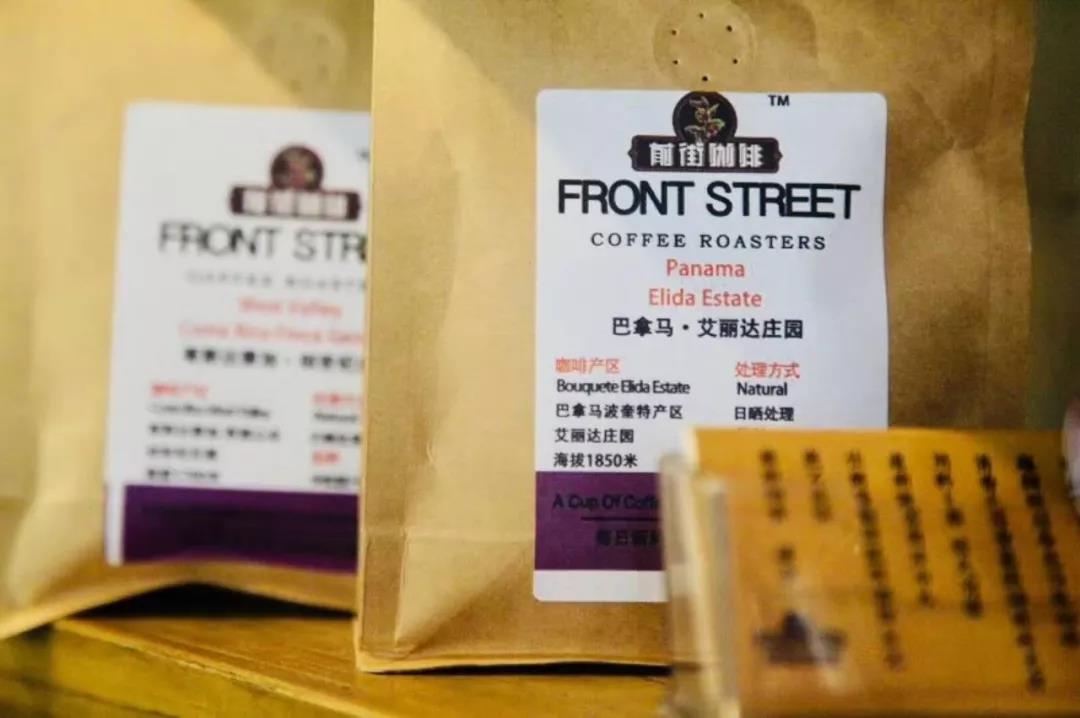
[Qianjie September new beans] express delivery! Carefully selected and baked, just to show the good coffee
[preface] friends who follow us all know that we also got a lot of new beans in August! Now let's sort out and introduce these unique new beans [African beans] [Ethiopia Gemma] countries: Ethiopia producing areas: Gemma altitude: 1800 meters above sea level: local native species treatment: sun treatment Ethiopia's main
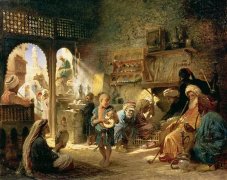
A unique method of monsoon stain treatment-- an introduction to the producing area and grading system of coffee in India
When it comes to Asian coffee, most people will first think of Mantenin in Indonesia, or Vietnamese coffee, Laos coffee, and Yunnan coffee. However, few people mention that Indian coffee has a long history, and it is also the first country in Asia to grow coffee. It has always had a place in the coffee world, and it is also a major country of global coffee production. Today is small.

Unique monsoon treatment method to understand that India can also handle coffee by the monsoon.
Professional coffee knowledge exchange more coffee bean information please follow the coffee workshop (Wechat official account cafe_style) front street-Indian monsoon coffee brief introduction actually India is the oldest coffee producing country in Asia. Although Indian coffee did not flourish until it was colonized by the British in the 19th century, it had a history of about two hundred years before that. In 1870, it was founded by
An introduction to the difference between sun-cured coffee beans and wind-stained Malaba in Alecon Farm, India
For the exchange of professional baristas, please follow the coffee workshop (Wechat official account cafe_style) Budan producing area in India-Alakon Farm (Yelnoorkhan Estate) Sun Bean Coffee was brought into the establishment of the first coffee farm by pilgrims as early as the 16th century. You may not imagine that India produces a lot more coffee than Ethiopia and any Central American country, with 900000 hectares.

What is Indian monsoon Malaba coffee? How should India's Malaba coffee be roasted?
Professional coffee knowledge exchange more coffee bean information Please pay attention to coffee workshop (Wechat official account cafe_style) Monsoon Malaba AA Indian Monsooned Malabar AA early due to slow shipping speed, coffee raw beans exported from India to Europe absorbed moisture in a humid environment during the long transport process, thus transforming and producing a characteristic raw bean that had never been seen before.
Flavor characteristics of Indian Coffee Brand Mysore Nuggets Extra Bold Masojin Coffee
Professional coffee knowledge exchange more coffee bean information Please pay attention to the coffee workshop (Wechat official account cafe_style) there are few Indian coffee brands, usually only two: wind-stained Malaba and Masojin bricks. The raw beans of the wind-stained Malaba are dry, yellow and sweet, but a bit monotonous because they are shipped after being placed in a ventilated warehouse to be caressed by the Indian Ocean monsoon for several seasons.

What kind of coffee do you have in India? How to drink Indian Malaba coffee by hand?
Professional coffee knowledge exchange more coffee bean information Please follow the coffee workshop (Wechat official account cafe_style) in the early years, Indian coffee was transported by sea from the coast of Malaba to Europe, which often took about six months to arrive in Europe. In the long process of shipping, under the influence of sea breeze and monsoon, these coffee beans gradually develop their flavor and color.
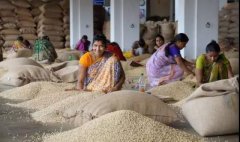
What is the monsoon treatment in India? How should I drink the Indian monsoon Malaba coffee?
Professional coffee knowledge exchange more coffee bean information please follow the coffee workshop (Wechat official account cafe_style) when it comes to India, the first thing that comes to mind is curry! But in fact, there are coffee producers in India. There is nothing more typical of Indian coffee than the monsoon-treated Malaba, which also brings a unique flavor to beans. Just baked a furnace of Malaba, today is small
What are the characteristics of Arabica coffee grown in India
Professional coffee knowledge exchange more coffee bean information please follow Coffee Workshop (Wechat official account cafe_style) Front Street-about Indian coffee there is very little coffee from Arabica, India, usually there are only two kinds of coffee: wind-stained Malaba and Maso gold bricks. The raw beans of the wind-soaked Malaba are dry, yellow and sweet, but a little monotonous because they are placed in a ventilated warehouse for the Indian Ocean

What is the best Arabica coffee in India? what is the Arabica coffee grown in India?
Professional coffee knowledge exchange more coffee bean information please follow the coffee workshop (Wechat official account cafe_style) Indian Arabica coffee flavor introduction: there is very little coffee from Arabica, India, usually there are only two kinds: wind-stained Malaba and Masojin bricks. The raw beans of the wind-soaked Malaba are dry, yellow and sweet, but they are a little monotonous because they are put on the pass.

Do you grow coffee in India? What is the flavor and taste of Malaba coffee, a monsoon unique to India?
Professional coffee knowledge exchange more coffee bean information please follow the coffee workshop (Wechat official account cafe_style) do you grow coffee in India? What is the flavor and taste of Malaba coffee, a monsoon unique to India? There are several reasons why Indian coffee is popular with coffee hobbies, but the most important one is due to a processing process applied to coffee beans, which is usually used by

The History of Malaba Coffee the Origin and Development of Malaba Coffee
Professional coffee knowledge exchange more coffee bean information Please follow the coffee workshop (Wechat official account cafe_style) when it comes to Asian coffee, most people will first think of Indonesian gold Manning, Toraya, or Vietnamese coffee, Laos coffee, as well as recently rammed up Taiwan coffee, China Yunnan coffee and so on. Indian coffee has a long history, and it is also an Asian coffee.

How to choose the right beans for you? Coffee beans recommended?
Professional coffee knowledge exchange More coffee bean information Please pay attention to coffee workshop (Weixin Official Accounts cafe_style) The first move: Fresh fresh coffee bean definition will vary according to ambient temperature, humidity, packaging method and preservation method. In terms of environmental conditions in Taiwan, coffee beans stored in one-way breathable bags and placed at room temperature are considered new within two weeks after roasting.

Where does the flavor of coffee beans come from? where does the caramel flavor come from? what kinds of coffee beans are cooked?
Professional coffee knowledge exchange more coffee bean information please follow the coffee workshop (Wechat official account cafe_style) caramel-flavored coffee beans: Yega Sheffield aricha Yega Sherfi Red Cherry, Golden Manning, Sumatra Tiger Manning, Old Manning, Queen of Brazil, Brazil Hilado, Costa Rica

Introduction to the varieties of Indian coffee beans. How to bake Indian style-stained Malaba coffee beans?
For more information on coffee beans, please follow the Coffee Workshop (Wechat official account cafe_style) Indian coffee bean growing variety Kent: the Tibica hybrid S288 and Typica was found in Kent Coffee Garden in Mysore, India in 1911, with high yield and rust resistance. But did not get good results in the cup test.

What are the flavor characteristics of mocha varieties of Indian coffee? What is the BRICS coffee?
Professional coffee knowledge exchange more coffee bean information please follow the coffee workshop (Wechat official account cafe_style) what are the flavor characteristics of Indian coffee mocha varieties? What is the BRICS coffee? There is very little coffee from India, and there are usually only two kinds of coffee: wind-stained Malaba and Masojin bricks. The raw beans of the wind-soaked Malaba are very dry, yellow and sweet, but slightly monotonous because of it

What is the good coffee in India _ introduction to the flavor of Indian coffee _ recommendation of Indian black coffee beans
Professional coffee knowledge exchange more information on coffee beans Please follow the coffee workshop (Wechat official account cafe_style) dry and wet Indian coffee in the past sailing era, India shipped coffee beans to Europe by sailboat. During the six-month voyage, raw coffee beans absorb moisture and salty taste from the sea, dry and contract in the sun, resulting in structural and internal chemical reactions.

Besides curry, there is coffee in India! Indian Coffee Monsoon Malaba Coffee have you ever heard of it?
Professional coffee knowledge exchange more coffee bean information please follow the coffee workshop (Wechat official account cafe_style) India has three treasures: monsoon Malaba, Mysore Gold Brick, Royal washing Busta Malaba is located in southwestern India, facing the Indian Ocean, due to fertile soil and the blowing of the Indian Ocean monsoon, it has been an important rice-producing area since ancient times, while the mountains are coffee-growing areas.